
Every so often someone says something like, “A good WordPress site doesn’t need maintenance or a care plan, it should just work forever.”
I wish it was that simple. Because that statement couldn’t be more wrong.
Even the best WordPress websites built by skilled teams, tested thoroughly, and following every best practice still need ongoing care. A CMS-driven site is a privilege, not a shortcut. It gives you incredible flexibility, but that flexibility comes with responsibility and it needs WordPress maintenance services to thrive.
Static, hand-coded sites have their place they’re simple, fixed, and often fine for smaller projects but most businesses outgrow them quickly. Once you start relying on your website to publish content, manage customers, or drive revenue, you’ve entered the world of continuous change and growth. And in that world, staying still isn’t an option.
WordPress Is a Living System
A WordPress site isn’t a single piece of software. It’s a living, breathing ecosystem made up of moving parts the WordPress core, a theme, and usually a few (or a few dozen) plugins.
All of these have their own update cycles, dependencies, and quirks.

When a site first launches, everything is beautifully aligned. Plugins cooperate, layouts behave, and nothing crashes. But give it a few months, and the updates start to roll in.
One plugin gets a security patch. Another adds new features. A third gets abandoned entirely. Each of those changes introduces the potential for conflict. Suddenly, that form plugin you relied on for years no longer works with your caching setup, or your theme’s custom block styling disappears overnight.
That’s not bad development!
That’s normal.
It should be planned and accounted for in any WordPress project.
WordPress 5.0 and The Gutenberg Shift: When Everything Changed
If you were around the WordPress community during version 5.0, you’ll remember the day everything changed. The introduction of Gutenberg the block editor completely transformed how WordPress works.
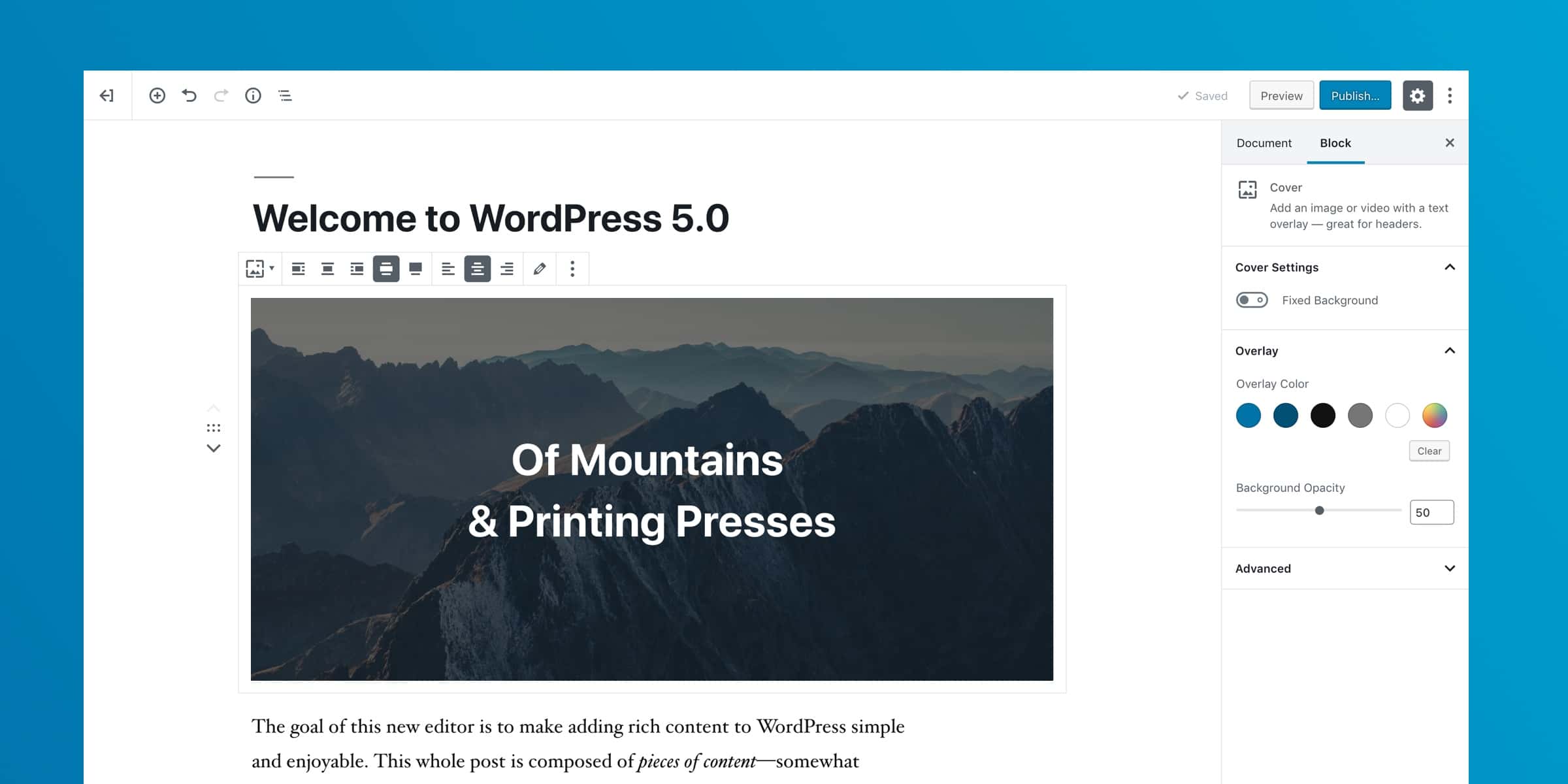
For many site owners, that update was a game-changer. For others, it was a nightmare. Overnight, themes and plugins that had worked perfectly for years started breaking.
Custom fields stopped displaying.
Editors crashed.
Content layouts were mangled.
Even today, we still see websites struggling with that shift especially ones built before the block editor became standard. For some, it’s like running a 2024 AAA PC video game on 2010 hardware and Windows 8.
It might work, but not comfortably. You’d probably average a solid 12 FPS.
This is why maintenance isn’t optional. WordPress itself evolves, and sites need to evolve with it.
Care and Updates Matter
Updates aren’t just about keeping the lights on they’re about keeping your site safe, fast, and functional.
Security vulnerabilities get patched daily across the web. If you skip updates, you’re leaving the front door wide open. Performance optimisations are also released constantly PHP improvements, caching tweaks, image compression upgrades and staying up to date means you benefit from them.
Ignoring maintenance is like buying a new car and never servicing it. It’ll run for a while, sure. But one day, the engine blows, and you’ll wish you’d just booked that oil change.
It’s Not the Developer It’s the Ecosystem
Here’s the bit that’s often misunderstood by clients and WordPress users after a site breaks when an update is applied. It’s rarely because the developer “did a bad job.”
The WordPress ecosystem is enormous thousands of plugins, hundreds of themes, and constant third-party updates. Even the most careful developer can’t control what happens when another company pushes out a major change or retires their product entirely. This is why cornerstones like managed WordPress hosting are important.
- The key is having a system in place to handle that reality:
- Test updates in a staging environment before applying them live.
- Use hands-off agency managed WordPress hosting that supports version control and rollbacks.
- Keep the plugin overhead to a sensible minimum and only use trusted sources.
- Maintain a WordPress support plan that covers regular monitoring and fixes.
That’s how professional WordPress maintenance works and it’s how your site survives long-term.
Building for the Future
WordPress will keep evolving. The editor will change again. PHP will get new versions. Performance standards will rise. Accessibility requirements will tighten.
And that’s good. It’s progress. But it also means your website isn’t a “set and forget” product. It’s a living part of your business that needs to grow alongside it.
So the next time someone tells you that a “good WordPress site doesn’t need maintenance,” you now know better. Because the truth is, every growing and evolving website needs hands on maintenance.
If your WordPress site has started showing signs of wear broken layouts, plugin conflicts, or update pains take a look at our Support & Growth Plans.
We’ll keep everything running smoothly, safely, and fast, no matter how much the web keeps changing. We can audit and review WordPress sites of any size, age or state and give you an honest and transparent plan to get it on the right track.
Related Posts: